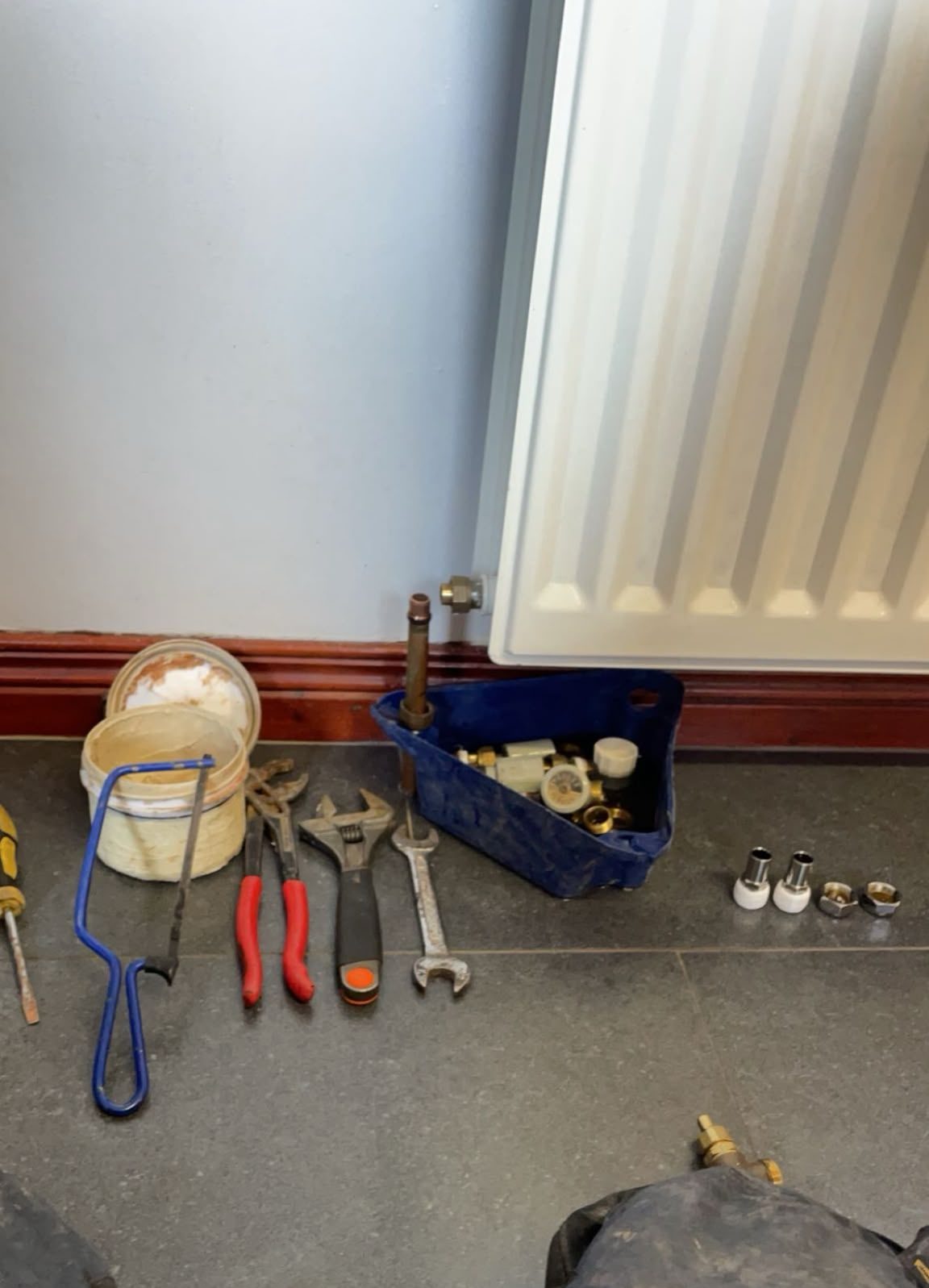
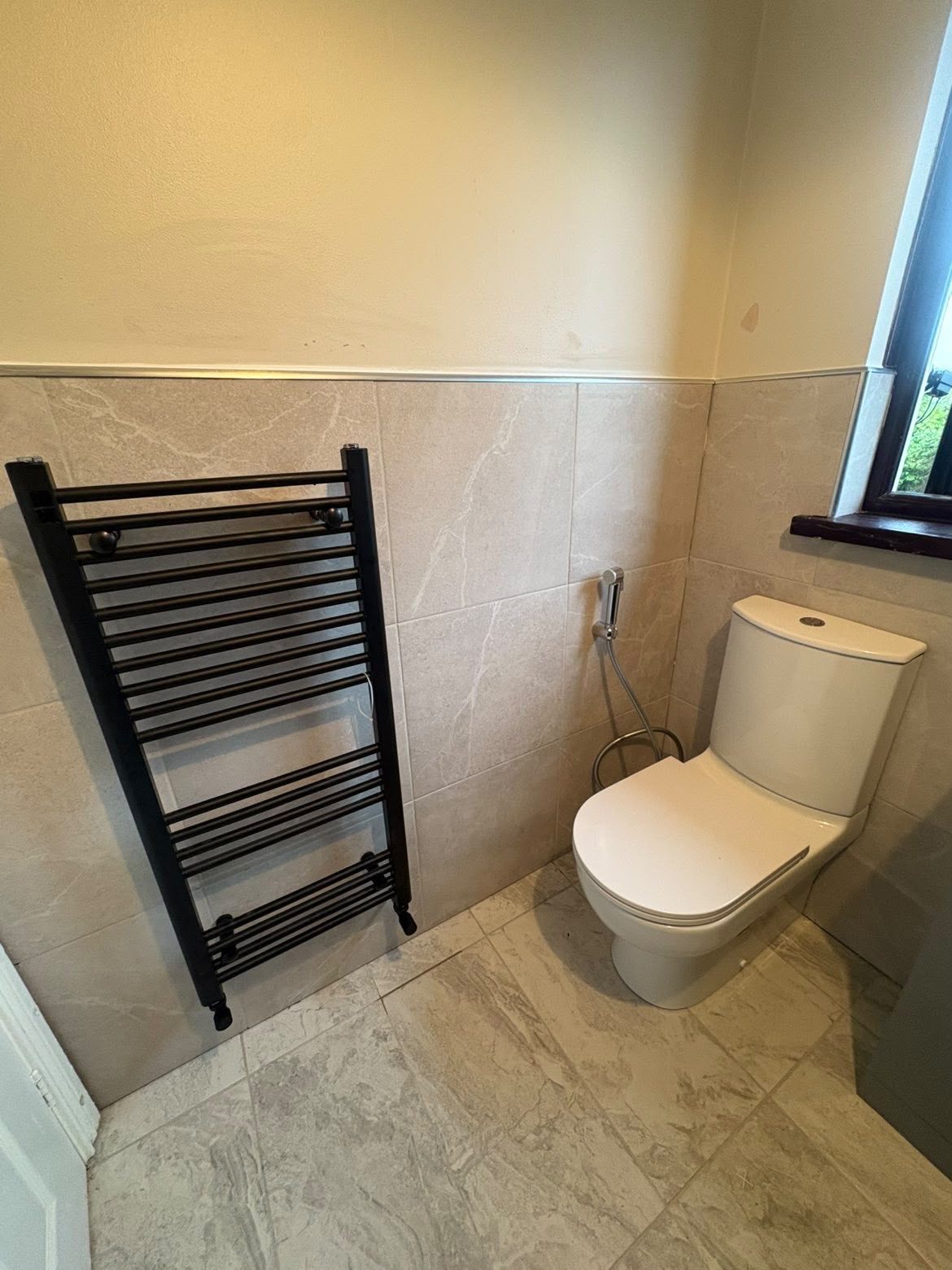
New and replacement radiators planned around room comfort, available wall space and your existing heating installation. JPH helps homeowners consider the practical details before a radiator is chosen or an existing connection is changed.
Discuss your job with James · Free planned quotations
9–10 years’ experiencePublic liability insuredSpeak directly with James24-hour call-outs, subject to availability
The service
Radiators that suit the room and the system
A radiator is part of a connected heating system, not simply an item of furniture. Its output, position, valves and pipe connections all matter. JPH Plumbing & Bathrooms provides residential radiator installation in Ballyclare and Newtownabbey, whether you are replacing an ageing unit or discussing a different position during renovation. James Higgins brings 9–10 years of experience and public liability insurance to the work. The proposed installation is considered alongside what is already in your home.
You might want a radiator that fits a revised layout, replaces a corroded unit or better suits a room’s heating needs. Different shapes and valve arrangements may be possible, but suitability must be checked before ordering. Specific brands and product ranges are not confirmed here. Gas work and OFTEC-regulated oil work are not undertaken, and any electrical work connected with the agreed project is coordinated with qualified electricians. This service concerns domestic installations rather than commercial premises.
When something needs attention
Reasons to review an existing radiator
Visible rust, damp connections, recurring valve problems or physical damage can make replacement worth discussing. A radiator that feels cool may instead have a circulation or wider system issue, so replacing it without assessment can miss the cause. Explain whether the whole radiator remains cool, whether nearby radiators behave differently and whether the problem began after other work. Do not loosen fittings or interfere with hot components to gather this information.
Layout changes create different questions. A larger sofa may block an existing radiator, a doorway may be moving, or a former spare room may now be used throughout the day. These details influence the best location and output. Moving a radiator may involve more than extending visible pipe tails: the route, floor access, wall strength and decorating work all need consideration. A free quotation for defined planned work is different from a chargeable visit to diagnose an unexplained heating problem.
A clear next step
How your work is planned
01
Share the room and radiator details
Provide your postcode, photographs of the radiator and surrounding wall, and the reason for the change. Include approximate room dimensions if known and explain any planned building work. If you already have a preferred radiator, send its specifications before buying so compatibility and installation requirements can be discussed.
02
Check output, position and connections
The assessment considers the room’s needs, available wall area, existing pipe centres and suitable mounting. Similar-looking radiators can have different outputs or connection arrangements. Valve access and space for cleaning also matter. Any concealed pipework uncertainty should be recognised rather than assuming every replacement will connect directly to the old fittings.
03
Agree the installation scope
Discuss supply responsibilities, removal of the existing radiator, new valves where relevant, pipework alterations and making good. Planned quotations are free. Identify access restrictions and whether floors or wall finishes need attention from another trade. The programme depends on these details and material availability; a guaranteed finish time is not offered.
04
Fit and review the agreed work
The installation involves the appropriate system interruption and connection work for the specific job, followed by relevant checks. Ask how to use any fitted valves and what changes to report afterwards. If a broader heating issue becomes apparent, further investigation or specialist input may be needed rather than assuming the new radiator alone resolves it.
What matters in your home
Practical benefits for your home
A better-informed selection
Considering heat output and room use helps you compare options on more than their appearance. A radiator that fits a narrow wall still needs to meet the room’s requirements within the limits of the existing system.
More workable room layouts
Planning position alongside furniture, curtains and access can reduce avoidable obstruction. It also helps identify when retaining the current position may be more practical than rerouting pipework through finished floors.
Clearer installation expectations
Discussing brackets, valves, pipe centres and reinstatement before work starts makes the scope easier to understand. It separates plumbing work from decorating and avoids treating every radiator replacement as an identical job.
The practical details
Making an informed decision
Choosing output without guessing
Room size is only one part of radiator selection. External walls, window area, insulation and how the room is used affect heat demand. Product output figures also depend on specified test conditions, so comparing numbers without considering the heating arrangement can mislead. Share the actual product information rather than relying on a photograph or the description “high output”.
A tall or compact radiator is not automatically a like-for-like replacement for a wider existing model. The shape may suit the room visually while changing output or pipe positions. Discuss the trade-offs before purchase, particularly where wall space is limited. No particular radiator material, designer range or performance improvement is promised until a suitable option has been assessed.
Valves, walls and hidden routes
Existing valves may not suit a new radiator’s connections or location. The available space around valve heads matters for normal use, and furniture should not make adjustment impractical. Possible valve changes depend on the system and the agreed work; they are not a guarantee that every installation includes a particular type of thermostatic control.
Wall construction and radiator weight influence mounting arrangements. Pipework hidden beneath floors can create access questions, especially with tiled or recently fitted finishes. Explain what lies behind the intended wall if known, but do not open up surfaces yourself. Ask whether removal, waste handling and making good are included in the proposed quotation rather than assuming they form part of every job.
Looking beyond the new radiator
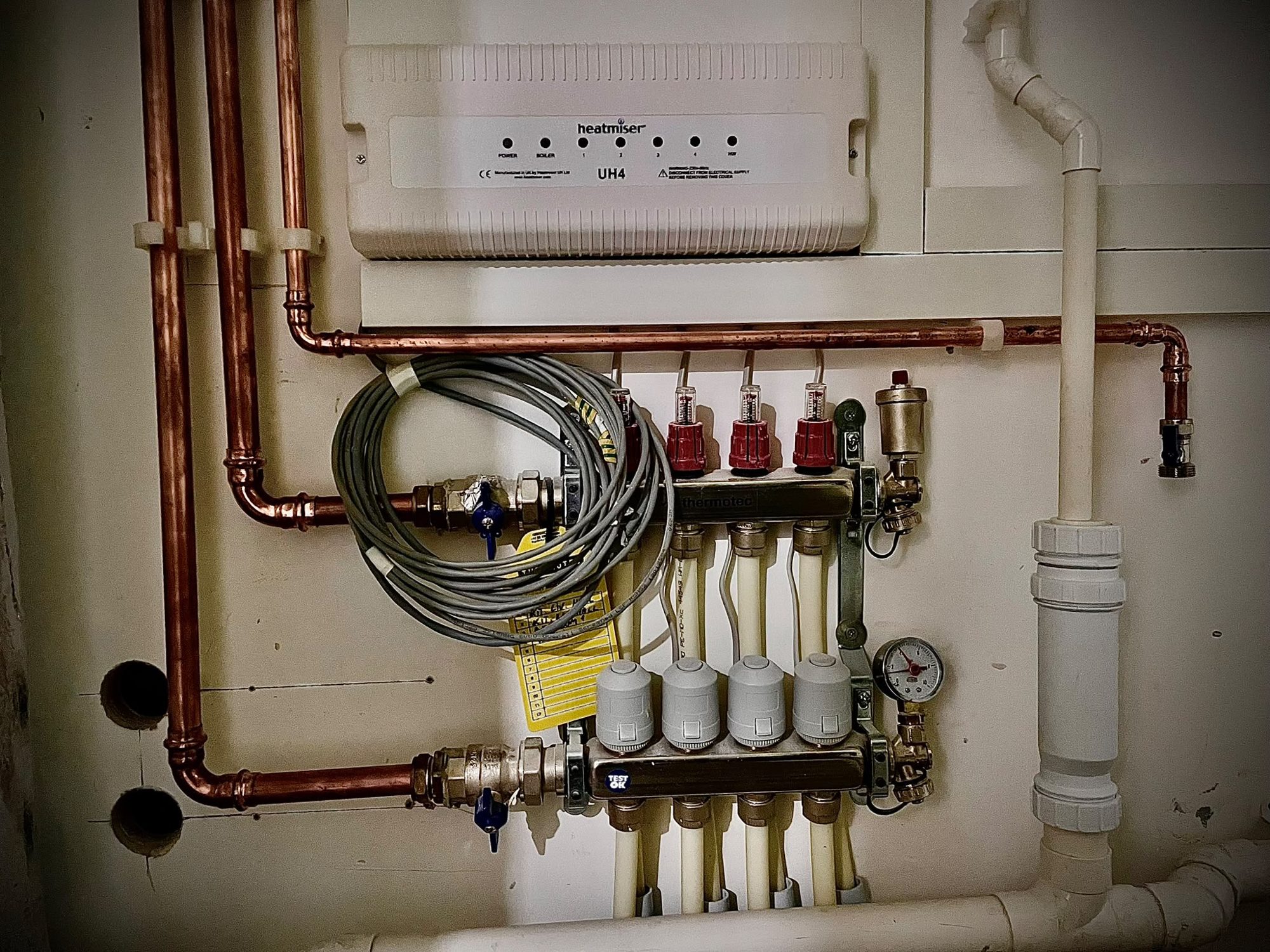
A replacement radiator operates within the condition and capacity of the retained system. If several rooms remain cold or heating behaviour changes throughout the house, a broader assessment may be appropriate. Balancing or cleaning are examples of methods that can sometimes be considered, not confirmed standard services or guaranteed solutions. The cause should guide the next step.
After installation, avoid covering the radiator with large furnishings and keep valves accessible. Follow the actual product’s care instructions when available, particularly for decorative finishes. If dampness appears at a connection or performance changes unexpectedly, contact James with a description rather than repeatedly attempting adjustments. No fixed lifespan can be promised because the radiator’s surroundings and system condition continue to matter.
A few useful answers
Before you get in touch.
Questions about radiator installation for your home. Discuss any job-specific requirements with James.
How much does radiator installation cost?
Price depends on the chosen radiator, valve requirements, access and whether pipework or mounting positions must change. A straightforward replacement differs from moving a radiator across a room. Planned quotations are free, while diagnostic visits and emergency call-outs are chargeable. Discuss the scope before booking. Payment is accepted by cash or bank transfer.
How long will installation take?
The programme depends on the number of radiators, existing connections, access and whether the heating system needs additional attention. Wall repairs or another trade’s involvement can also affect the sequence. James can discuss practical arrangements after reviewing the job, but no fixed completion time is promised. Mention if the room is your only usable living space.
Can I buy a radiator before arranging the work?
You can share a proposed product, but checking suitability before purchase is advisable. Output, connection centres, weight, brackets and valve arrangements may differ from your existing unit. Send the specification and room details first. A radiator sold as a replacement is not necessarily a direct fit for your particular installation.
Does the work come with a guarantee?
No specific workmanship guarantee or duration has been confirmed. Ask about the terms for your actual installation before accepting the quotation. Manufacturer cover, if applicable, depends on the product supplied and its conditions. JPH holds public liability insurance; this is separate from a guarantee about the radiator or the wider heating system.
How long should a new radiator last?
There is no single lifespan that applies to every radiator. Water condition, corrosion, material, location and the condition of the connected system all influence durability. A new radiator does not renew old pipework elsewhere. Discuss visible deterioration and maintenance history so the replacement decision considers more than the appearance of the existing unit.
Can you attend a leaking radiator urgently?
For an active leak, call James directly on 07548 665013. Chargeable 24-hour emergency plumbing call-outs are offered subject to location and availability, without a guaranteed arrival time. Explain whether water is spreading and whether there are electrical hazards nearby. Gas work and OFTEC-regulated oil work are outside JPH’s scope.
What should I do before the fitting visit?
Move portable items away from the radiator and provide a clear route through the home. Tell James about delicate flooring, wall finishes and any access limitations. Keep product information available if you are supplying the radiator. Do not disconnect the existing unit, loosen fittings or attempt to drain the heating system yourself.
Can you install a radiator in a different position?
Relocation may be possible after checking heat demand, pipe routes and wall suitability. Moving it can involve floor access and making good, so discuss the full effect on the room rather than just the new position. If the project requires electrical alterations, JPH coordinates qualified electricians. Commercial radiator installations are not covered by this residential service.
Let’s get it sorted
Plan your radiator installation
Tell James which room you are updating, why the existing radiator needs attention and whether you have a preferred replacement. JPH Plumbing & Bathrooms offers free planned quotations for residential radiator work in Ballyclare and Newtownabbey. If the problem is unexplained loss of heat rather than a defined replacement, ask about chargeable fault finding.
Public liability insured. Free quotations for planned work; emergency and fault-finding visits are chargeable.