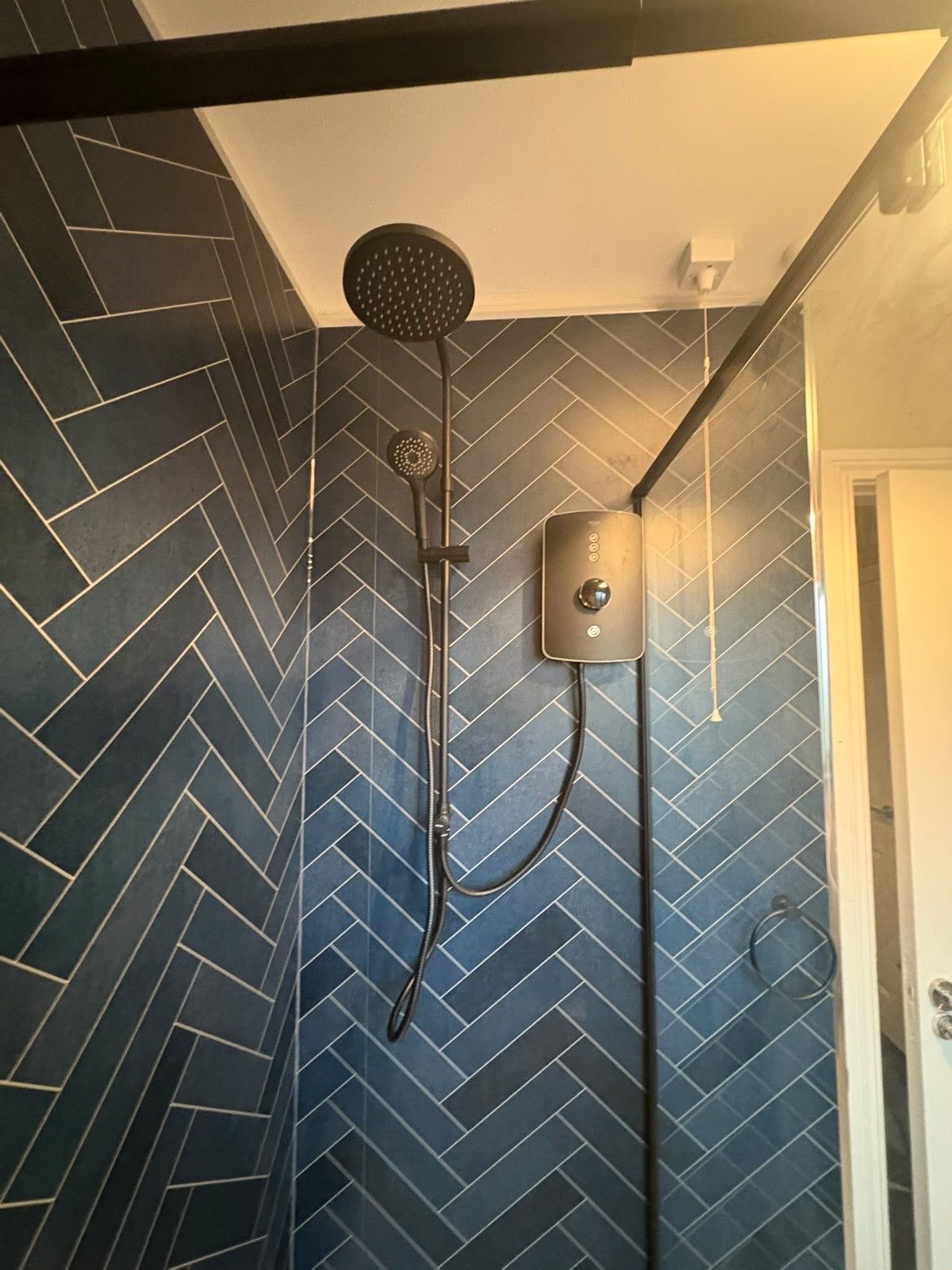
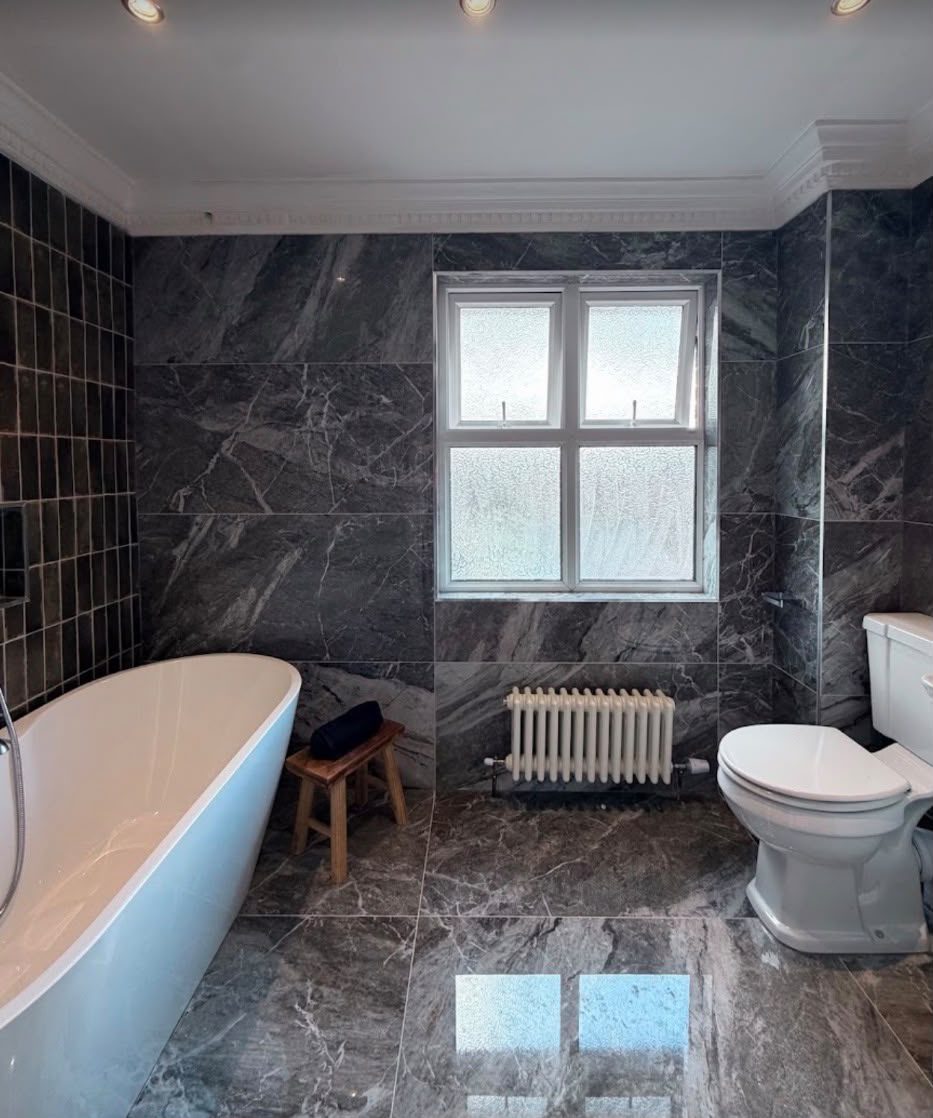
Bathroom wall and floor tiling planned around sound preparation, sensible layouts and the practical demands of a wet room. JPH brings the finishing details of your domestic bathroom together.
Discuss your job with James · Free planned quotations
9–10 years’ experiencePublic liability insuredSpeak directly with James24-hour call-outs, subject to availability
The service
A considered finish for bathroom walls and floors
Bathroom tiles need to do more than complement the suite. The background must be suitable, the layout needs careful thought and the junctions around baths, showers and floors must be detailed appropriately. JPH Plumbing & Bathrooms provides bathroom wall and floor tiling as part of residential bathroom work in Ballyclare, Newtownabbey and surrounding areas.
James Higgins has 9–10 years of experience and can discuss tiling alongside the plumbing and finishing requirements of your bathroom. Whether you are updating a shower surround or planning a wider renovation, explain what is staying, what is being replaced and whether existing tiles or damaged finishes need removal. Those details affect preparation as much as the visible tile choice.
JPH is public liability insured. Planned quotations are free, while fault-finding and emergency visits are chargeable. No particular tile brand, installation system or specialist finish is promised here; suitability and the agreed scope need confirmation for your project. Electrical work, if required as part of the wider bathroom, is coordinated with qualified electricians.
When something needs attention
Why bathroom tiles crack, loosen or look uneven
Cracked grout, loose tiles and uneven edges can have several causes. Movement in the background, unsuitable preparation, moisture damage or the previous installation method may be involved. Replacing a single visible tile without understanding the surrounding condition can leave the underlying problem unresolved. An inspection is especially useful where several tiles are affected or a floor feels unstable.
Staining and damp around a bath or shower should not automatically be treated as a cosmetic tiling issue. Water may be getting through a junction, coming from plumbing or moving behind the tiled surface. Tiles and grout alone do not form the complete waterproofing arrangement. If there is an active leak, that needs attention before a decorative repair is planned.
Older bathrooms can also have awkward cuts, inconsistent tile lines or poorly positioned edges around fittings. A new layout can improve the appearance, but existing walls may not be square and floors may need preparation. These realities should shape the proposal rather than being hidden behind an attractive tile sample.
A clear next step
How your project is planned
01
Define the areas to be tiled
Discuss whether the work covers full walls, selected splash areas, a shower enclosure or the floor. Share approximate room dimensions and photographs, and explain which fittings are being retained. The final quantity and layout should be based on the actual room rather than a rough online estimate.
02
Assess the background
The existing wall or floor needs consideration before the finishing materials are chosen. Removal may expose damaged boards, uneven surfaces or moisture problems. Agree how preparation and any related waterproofing will be handled, including how changes to the initial scope would be discussed if concealed defects become visible.
03
Agree layout and junctions
Consider tile direction, joint alignment, prominent cut edges and the relationship with the bath, shower and basin. Discuss trims, grout appearance, thresholds and access panels. Product choices need to work as a compatible installation, not simply as separate items chosen for colour or price.
04
Tile, finish and explain care
The agreed surfaces are prepared and tiled as appropriate to the project, with finishing details considered around adjoining fittings. Follow the actual product instructions before exposing new work to water or foot traffic. Ask which cleaning products and maintenance routines suit the materials that have been used.
What matters in your home
Practical benefits for your home
A more coherent bathroom
Tile lines and edge details can help the room feel considered rather than pieced together. Planning around the real position of sanitaryware and corners is especially helpful in compact bathrooms, where awkward cuts or an unfinished threshold can draw attention.
Preparation before decoration
Checking the background gives the proposed finish a more suitable foundation. It also makes it easier to distinguish a cosmetic update from a job requiring more substantial repairs. The objective is an appropriate installation, not a promise that every existing defect can remain concealed.
Practical material decisions
The right choice depends on where a tile will be used, how it will be cleaned and what support the surface provides. A wall tile is not automatically suitable for a floor, and a bathroom floor choice should consider wet use as well as appearance.
The practical details
The details worth getting right
Choosing tiles for the actual room
Large tiles can reduce the number of visible grout joints, but they also make background flatness and the layout of cuts particularly important. Smaller tiles may suit certain shapes or details, yet involve more joints to maintain. Neither format is inherently the right answer for every bathroom.
Check product information before purchase, including whether tiles are intended for walls, floors or the relevant wet area. Ask about batch consistency and the quantity needed for cuts and sensible future spares. JPH has not confirmed a particular tile range or supplier, so discuss proposed purchases rather than assuming every material or decorative technique is available.
Floors, thresholds and changing levels
A tiled floor adds a build-up of materials that can affect the doorway, adjoining floor and clearance beneath doors. Existing timber floors may need a suitable preparation approach, while other backgrounds present different requirements. The assessment should consider the complete floor arrangement rather than the tile thickness alone.
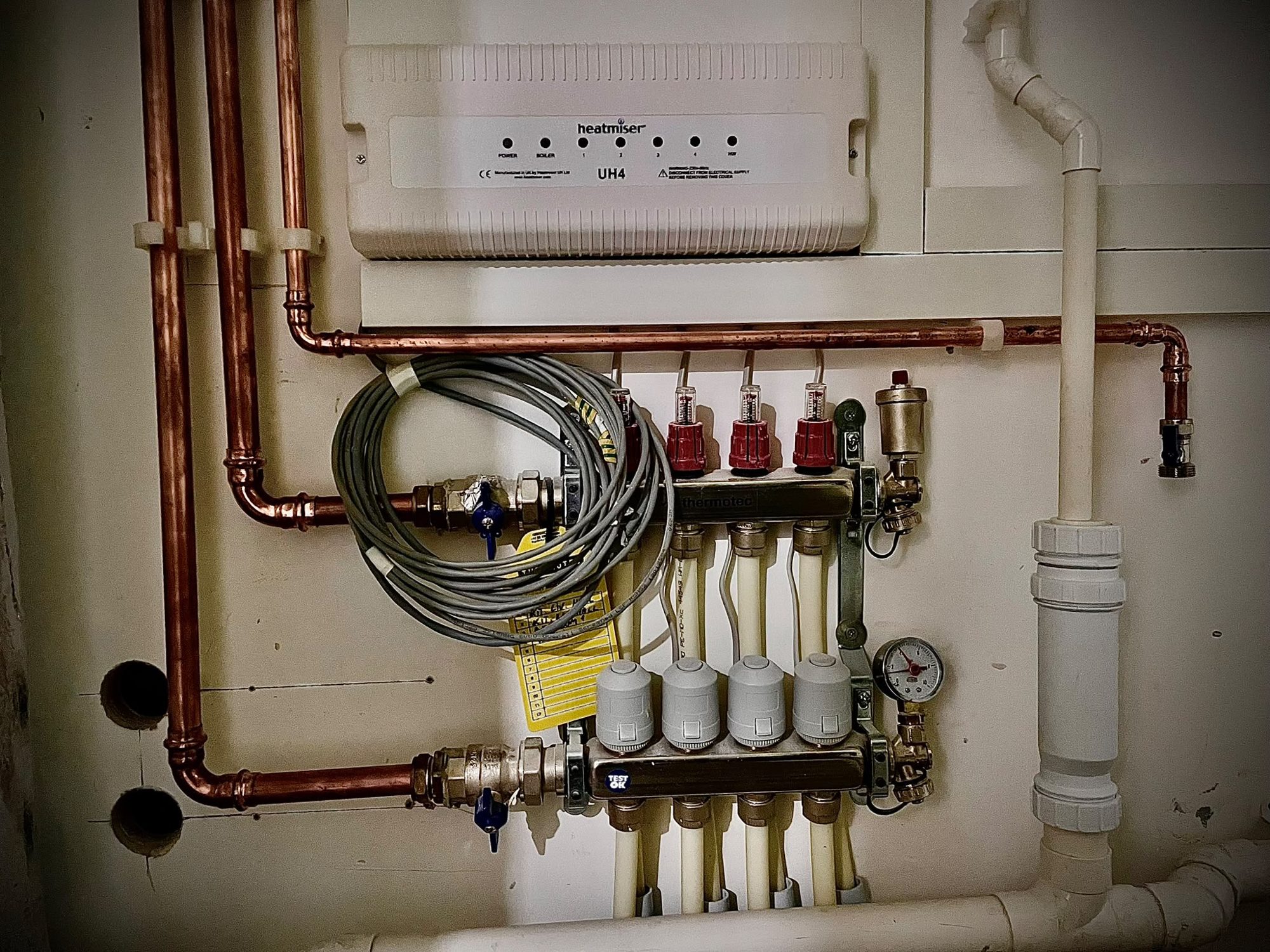
If underfloor heating is present or proposed, mention it at the outset. Compatibility, preparation and commissioning requirements depend on the specific system; this is not confirmation that JPH supplies a particular heating product. Any necessary electrical work must be coordinated with qualified electricians, and heating instructions need to be considered alongside those for the tiling materials.
Wet areas and maintenance access
Tiling around a shower or bath needs coordination with the waterproofing and the fitted items. Junctions where materials meet can require a different treatment from the main tiled surface. The appropriate arrangement depends on the substrate, movement and chosen products; grout should not be treated as a universal answer to every joint.
Concealing pipework can improve the appearance but should not make essential service points needlessly inaccessible. Discuss access arrangements before the layout is finalised. Once complete, use cleaning methods suited to the tile, grout and fittings, and report recurring cracks, loose areas or damp rather than repeatedly covering the symptoms.
A few useful answers
Before you get in touch.
Questions about bathroom tiling for your home. Discuss any job-specific requirements with James.
What does bathroom tiling cost?
The area, tile format, existing finish, background condition and level of detail all affect the price. Removal, preparation and waterproofing may form separate parts of the scope. Free quotations are available for planned work. Fault investigation is chargeable. Cash and bank transfer are accepted; ask what is included before comparing quotations.
How long will bathroom tiling take?
The programme depends on the area, preparation, layout and materials, as well as any plumbing work around it. Adhesives, grout and sealants have their own setting or curing requirements. James can discuss the anticipated sequence for your bathroom, but there is no fixed completion-time promise and the surface may not be ready for immediate use.
Can you tile over existing tiles?
That may be possible in some circumstances, but it is not an automatic recommendation. Existing adhesion, background condition, surface preparation and the effect on room dimensions and fittings all matter. Removing old tiles may reveal defects that should be dealt with first. The appropriate method needs assessment rather than a decision based only on appearance.
Is the tiling guaranteed?
No specific workmanship guarantee period has been confirmed. Ask James what terms apply to your project and what information is available for the materials used. Manufacturer product warranties are separate from workmanship terms and have their own conditions. Public liability insurance is held, but it does not establish a guarantee for the finished tiling.
How long should bathroom tiles last?
A tiled finish can remain serviceable for a substantial period, but no particular lifespan can be promised. The background, installation, moisture exposure and maintenance all influence performance. Flexible joints and other components may need attention before the tiles themselves. Recurring cracking or movement should be investigated rather than assumed to be normal ageing.
Is an urgent tiling problem an emergency call-out?
Loose or damaged tiles need assessment, but a cosmetic defect is different from an active plumbing leak. JPH offers chargeable emergency plumbing attendance subject to location and availability, with no fixed arrival time guaranteed. Call 07548 665013 for escaping water. Keep clear of sharp or unstable tiles and avoid using an affected wet area.
Where is bathroom tiling available?
JPH serves residential customers in Ballyclare, Newtownabbey and surrounding service areas including Belfast, Glengormley, Carrickfergus and Antrim. Give your postcode and describe the bathroom work when enquiring. Availability for a particular project depends on location and scope; a commercial tiling service is not being offered here.
What should I prepare before tiling starts?
Clear personal belongings and discuss access, parking and protection of nearby finishes. Have the agreed tiles and product details available if you are supplying materials, but confirm quantities and suitability before ordering. Tell James about underfloor heating, previous leaks and fittings you want retained. Do not remove unknown boards or disturb concealed services yourself.
Let’s get it sorted
Discuss the finish you want to achieve
Contact James on 07548 665013 with photographs, your postcode and the areas you would like tiled. Explain whether the room is being renovated or whether an existing defect needs investigation. A free planned quotation can then set out the proposed preparation and finish, while chargeable diagnostic work can be discussed separately where needed.
Public liability insured. Free quotations for planned work; emergency and fault-finding visits are chargeable.